
Understanding Woodlice Biology and Effective Control Methods

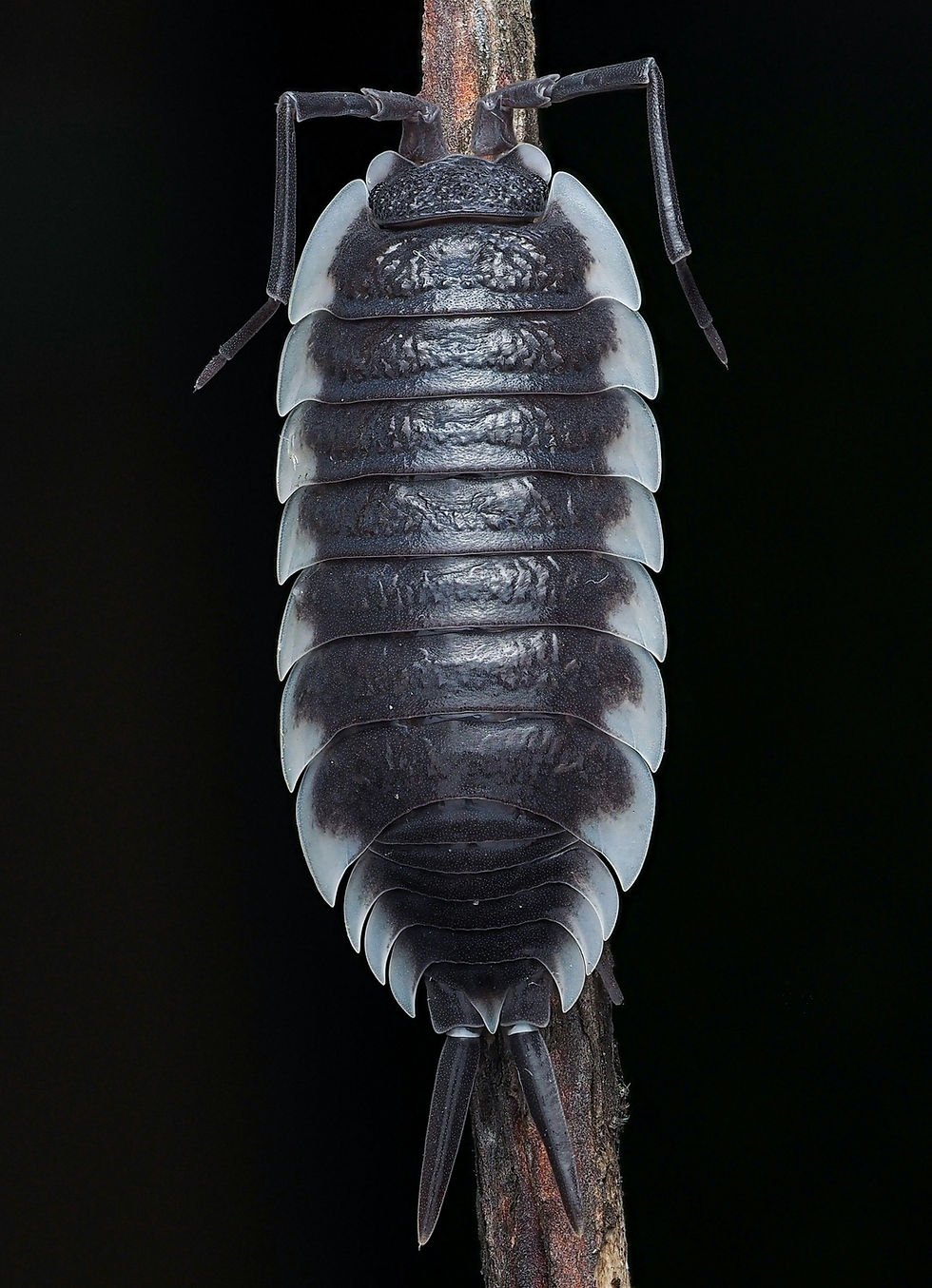
Woodlice are common creatures found in many gardens, homes, and damp environments. While they play a useful role in nature by breaking down organic matter, their presence indoors or in large numbers can become a nuisance. Understanding their biology helps in managing and controlling them effectively without unnecessary harm to the environment.
What Are Woodlice?
Woodlice belong to a group of crustaceans known as isopods. Unlike insects, they have a hard exoskeleton and multiple legs, typically seven pairs. They are often mistaken for insects due to their small size and terrestrial habits. Woodlice thrive in moist environments because they breathe through gill-like structures that require humidity to function properly.
These creatures feed mainly on decaying plant material, helping recycle nutrients in soil ecosystems. However, when they enter homes or greenhouses, they may damage young plants or create an unpleasant presence.
Woodlice Life Cycle and Behavior
Woodlice undergo a simple life cycle without metamorphosis. Females carry eggs in a pouch until they hatch into tiny versions of adults. These juveniles grow through several molts before reaching maturity, which can take several months depending on conditions.
They are nocturnal and avoid light, which explains why they often hide under stones, logs, or leaf litter during the day. Their need for moisture means they are commonly found in damp basements, bathrooms, or garden mulch.
Woodlice move slowly and curl into a ball when threatened, a defense mechanism that protects their soft undersides. This behavior also helps reduce water loss.
Why Control Woodlice?
In most cases, woodlice are harmless and beneficial. However, control becomes necessary when:
They invade homes in large numbers, causing discomfort.
They damage seedlings or tender plants in gardens and greenhouses.
Their presence indicates excessive moisture problems that could lead to mold or structural damage.
Understanding their biology allows for targeted control methods that reduce populations without harming other beneficial insects or the environment.
Effective Woodlice Control Methods
1. Reduce Moisture and Habitat
Since woodlice need moisture to survive, controlling dampness is the first step:
Fix leaks in pipes, roofs, and walls.
Improve ventilation in basements, bathrooms, and crawl spaces.
Remove piles of leaves, mulch, or wood near the foundation.
Use dehumidifiers in enclosed spaces prone to humidity.
Dry environments discourage woodlice from settling indoors.
2. Seal Entry Points
Woodlice can enter homes through small cracks and gaps:
Inspect and seal gaps around doors, windows, and foundations.
Use weather stripping and door sweeps.
Repair damaged window screens.
Blocking access limits their ability to invade living spaces.
3. Physical Removal
For small infestations, manual removal works well:
Use a vacuum cleaner to collect woodlice indoors.
Sweep or rake garden areas to disturb their hiding spots.
Dispose of collected woodlice away from the home.
This method is chemical-free and immediate.
4. Natural Predators
Encouraging natural predators can help keep woodlice populations in check:
Birds such as robins and blackbirds feed on woodlice.
Ground beetles and spiders also prey on them.
Frogs and toads consume woodlice in garden environments.
Creating a wildlife-friendly garden supports these predators.
5. Chemical Treatments
Chemical control should be a last resort and used carefully:
Insecticides labeled for woodlice can be applied around foundations and entry points.
Use baits or sprays according to manufacturer instructions.
Avoid overuse to prevent harm to beneficial insects and pets.
Always follow safety guidelines and consider professional pest control if infestations persist.
Monitoring and Prevention Tips
Regularly inspect damp areas and remove debris.
Keep gutters clean to prevent water accumulation.
Store firewood and compost away from the house.
Maintain garden plants to reduce excessive moisture.
Early detection and prevention reduce the need for intensive control measures.


Comments