
The Essential Role of Bumble Bees in Our Ecosystem

Bumble bees are more than just fuzzy insects buzzing around flowers. They play a crucial role in maintaining the health of ecosystems and supporting agriculture worldwide. Without bumble bees, many plants would struggle to reproduce, and food production could face serious challenges. This post explores why bumble bees matter, how they contribute to the environment, and what we can do to protect them.
What Makes Bumble Bees Different
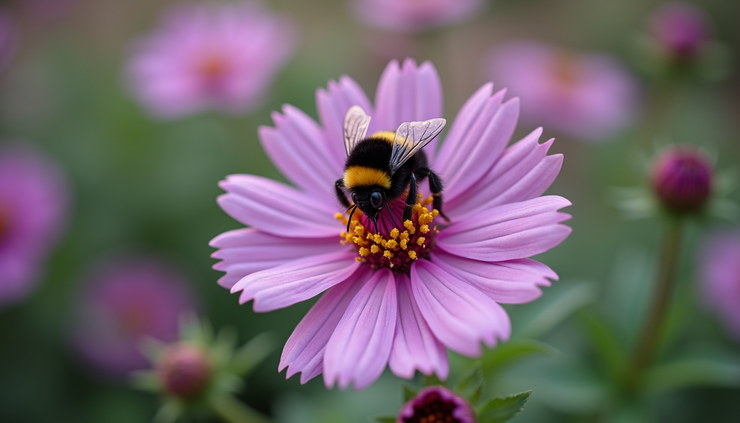
Bumble bees belong to the genus Bombus and are known for their large, round bodies covered in dense hair. Unlike honeybees, bumble bees live in smaller colonies, usually ranging from 50 to 500 individuals. They are excellent pollinators because of their ability to perform "buzz pollination," a technique where they vibrate their bodies to release pollen from flowers that other pollinators cannot access.
Their size and strength allow them to fly in cooler and cloudier weather when other bees are inactive. This means bumble bees can pollinate plants earlier in the season and in a wider range of conditions, making them vital for many wildflowers and crops.
How Bumble Bees Support Plant Life
Pollination is the process by which pollen is transferred from the male part of a flower to the female part, enabling fertilization and seed production. Bumble bees contribute to this process in several important ways:
Pollinating wild plants: Many wildflowers depend on bumble bees to reproduce. This supports biodiversity by maintaining healthy plant populations.
Supporting food crops: Crops like tomatoes, blueberries, peppers, and cranberries benefit from bumble bee pollination. Their buzz pollination technique is especially effective for plants with tightly held pollen.
Enhancing fruit quality: Studies show that fruits pollinated by bumble bees tend to be larger, more uniform, and have better shelf life.
Without bumble bees, these plants would produce fewer seeds and fruits, which could reduce food availability for other animals and humans.
The Economic Impact of Bumble Bees
Bumble bees contribute billions of dollars annually to global agriculture. Their pollination services increase crop yields and quality, which supports farmers and food supply chains. For example:
In North America, bumble bees are essential for pollinating crops like tomatoes and blueberries, which generate millions in revenue.
In Europe, bumble bees help maintain wildflower meadows that support tourism and local economies.
Commercial bumble bee colonies are often used in greenhouses to improve pollination efficiency.
Losing bumble bees would mean higher costs for farmers who might need to rely on manual pollination or less effective pollinators.
Threats Facing Bumble Bees Today
Despite their importance, bumble bee populations are declining worldwide. Several factors contribute to this trend:
Habitat loss: Urban development, intensive farming, and deforestation reduce the availability of flowers and nesting sites.
Pesticides: Chemicals used in agriculture can harm bumble bees directly or weaken their immune systems.
Climate change: Changes in temperature and weather patterns disrupt bumble bee life cycles and the flowering times of plants they depend on.
Diseases and parasites: Pathogens spread by commercial bee colonies can infect wild bumble bees.
These threats combine to create a challenging environment for bumble bees, putting their survival at risk.
How to Help Protect Bumble Bees
Everyone can play a role in supporting bumble bee populations. Here are practical steps to make a difference:
Plant bee-friendly flowers: Choose native plants that bloom at different times to provide food throughout the season.
Avoid pesticides: Use natural pest control methods or select bee-safe products.
Create habitats: Leave patches of bare soil or undisturbed areas for nesting. Install bee hotels for solitary bees.
Support local conservation efforts: Join or donate to organizations working to protect pollinators.
Educate others: Share information about the importance of bumble bees and how to protect them.
Even small actions in gardens, parks, or farms can help create a safer environment for bumble bees.
The Future of Bumble Bees and Our Ecosystem
Bumble bees are indicators of a healthy environment. Their presence signals that ecosystems are functioning well and that plants and animals are thriving. Protecting bumble bees means protecting the broader web of life that depends on them.
Scientists continue to study bumble bees to understand their needs and develop strategies to conserve them. Advances in habitat restoration, sustainable farming, and disease management offer hope for reversing population declines.
By valuing bumble bees and acting to support them, we ensure that future generations will enjoy the benefits of diverse, productive ecosystems.


Comments